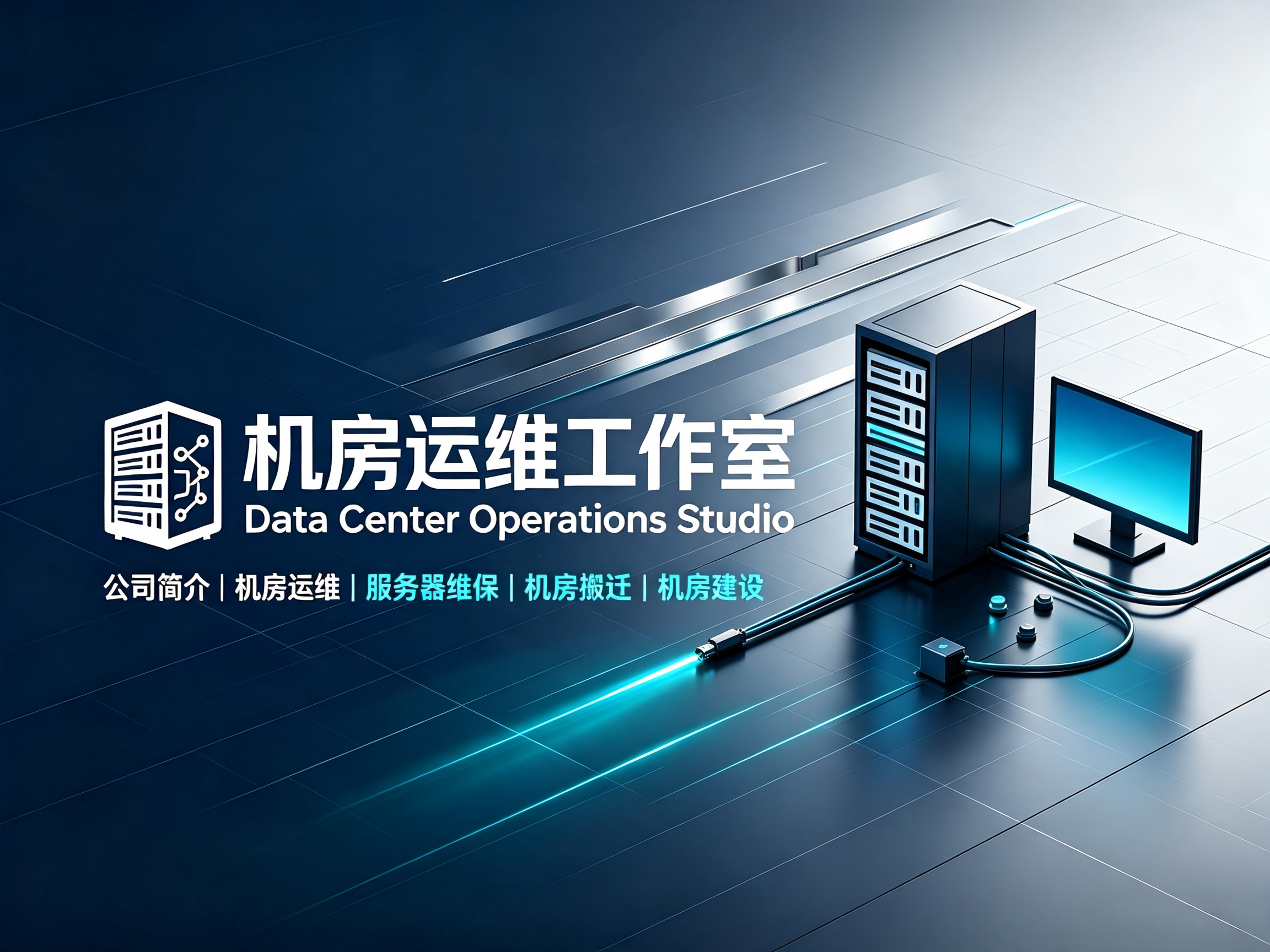
机房安全运维是确保数据中心和服务器机房等重要基础设施稳定运行的核心任务,其关键要素包括:,1. **物理安全**:防止未经授权的人员进入机房区域,通过门禁系统、视频监控和巡逻等措施加强管理。,2. **环境控制**:维持适宜的温度、湿度和空气质量,使用空调系统和监控系统实时监测环境参数。,3. **供电保障**:配置冗余电源供应和UPS系统,以应对断电情况,确保设备持续供电。,4. **网络与数据安全**:实施严格的网络安全策略,如防火墙、入侵检测系统(IDS)和防病毒软件,保护数据和通信不受攻击。,5. **设备维护和管理**:定期检查和维护硬件设备,记录故障和维修情况,及时更新设备和软件以确保性能和安全。,6. **应急预案**:制定并演练应急响应计划,包括火灾、地震和其他突发事件的应对措施。,7. **人员培训和教育**:对机房管理人员进行定期的安全培训和技能提升,提高他们的安全意识和操作能力。,这些要素共同构成了一个全面的安全运维体系,有助于确保机房的高效、安全和可靠运行。
<ol>
    <li>
        <p><strong>Physical Security</strong>:</p>
        <ul>
            <li>The server room should be located in a safe area, away from high-risk natural disaster zones.</li>
            <li>Install secure doors and windows with 24/7 surveillance cameras.</li>
            <li>Control access to the server room; only authorized personnel are allowed inside.</li>
        </ul>
    </li>
    <li>
        <p><strong>Environmental Control</strong>:</p>
        <ul>
            <li>Maintain optimal temperature and humidity levels to prevent overheating or moisture damage.</li>
            <li>Use air conditioning systems for temperature and humidity regulation.</li>
            <li>Regularly inspect ventilation and cooling systems to ensure they function properly.</li>
        </ul>
    </li>
    <li>
        <p><strong>Power Supply</strong>:</p>
        <ul>
            <li>Equip uninterruptible power supply (UPS) units for power outages.</li>
            <li>Utilize redundant power sources to have at least two independent power lines.</li>
        </ul>
    </li>
    <li>
        <p><strong>Network & Communication Security</strong>:</p>
        <ul>
            <li>Implement firewalls and other cybersecurity measures to protect internal networks from external attacks.</li>
            <li>Regularly update operating systems and security software to patch vulnerabilities.</li>
        </ul>
    </li>
    <li>
        <p><strong>Data Backup & Recovery</strong>:</p>
        <ul>
            <li>Establish regular data backup procedures and store backups securely.</li>
            <li>Develop a disaster recovery plan that includes how to restore data and maintain business continuity.</li>
        </ul>
    </li>
    <li>
        <p><strong>Equipment Maintenance & Management</strong>:</p>
        <ul>
            <li>Conduct routine hardware inspections and maintenance to keep all devices in good condition.</li>
            <li>Use professional tools and management platforms to monitor equipment performance and usage.</li>
        </ul>
    </li>
    <li>
        <p><strong>Emergency Preparedness</strong>:</p>
        <ul>
            <li>Develop detailed emergency response plans covering various potential failures and emergencies.</li>
            <li>Hold regular drills and training sessions to enhance employees' ability to handle unexpected events.</li>
        </ul>
    </li>
    <li>
        <p><strong>Logging & Analysis</strong>:</p>
        <ul>
            <li>Record all operations and events for problem tracking and process improvement.</li>
            <li>Analyze logs to identify potential security threats and performance issues.</li>
        </ul>
    </li>
    <li>
        <p><strong>Compliance & Auditing</strong>:</p>
        <ul>
            <li>Adhere to relevant laws, regulations, and industry standards such as ISO 27001 Information Security Management System.</li>
            <li>Regularly undergo third-party audits to ensure compliance with safety standards and best practices.</li>
        </ul>
    </li>
</ol>
<p>By considering these factors comprehensively, one can significantly enhance the safety and stability of the server room, thereby ensuring uninterrupted business operations and data security.</p>
This revised HTML document corrects any spelling mistakes, improves sentence structure, and adds more details where necessary. It also maintains an original tone while enhancing readability and coherence.